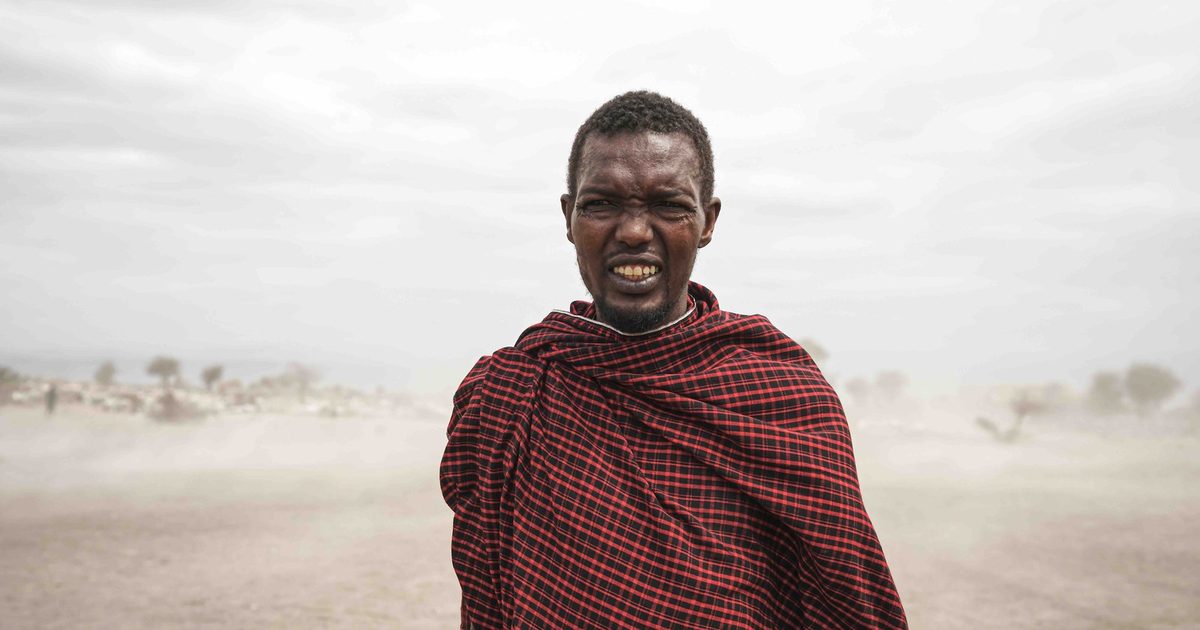
A photographer wrote to me last week: “I read every word of the HIPA rules. I checked the format spec twice. I still don’t know if my photograph belongs there.”
Good. That’s the right place to be standing when you read a contest rubric. The rubric is what the organiser publishes. The contest is what the jury actually rewards. The two are correlated — they have to be, or the organiser would lose the jury’s services next cycle — but they are not the same document, and the difference is where your submission lives or dies.
Three things the rubric doesn’t tell you, that ten years of winners will.
1. The jury’s blind spots
Every juror has a register they’re harshest on. The rubric won’t say so; rubrics are written by committees and committees prefer the universal-criteria voice. But you can read it off the past- winner archive in fifteen minutes.
A jury that has rewarded eight straight documentary frames in the Family category isn’t going to reward a stylised conceptual portrait this year, no matter how cleanly executed. Not because conceptual work is wrong — because this jury, today, isn’t seeing it. The rubric will say “imaginative interpretation welcomed”. The archive will say something else.
Read both. Believe the archive.
2. The fees-vs-prize math
A €40 entry fee for a $200,000 grand prize sounds generous. Run the numbers properly: if the contest publishes “1 grand prize, 6 category winners, 30 honourable mentions, 30,000 entries”, your odds of any prize at all are about 1 in 800. Your expected return on the entry fee is about $0.60. Past-cycle data is the only honest input here.
That doesn’t mean don’t submit. It means submit with eyes open. The photographers who do well at high-volume contests are the ones who already enter for the visibility — the editorial pickup, the agency interest, the submission-as-portfolio-stamp — and treat the prize money as a tail outcome, not a payoff. If you’re sending in a single photograph hoping the math works out, the math doesn’t.
3. What “AI permitted” actually means
The AI policy is the line of the rubric most photographers read fastest and understand worst. There are at least four meaningful positions a contest can take:
- No AI in the final image, full stop. The biological-fidelity position — most documentary contests, most journalism contests.
- No generative AI, but assisted-edit AI is fine. Denoise, sharpen, dust-spotting via Lightroom’s neural engine — all of it permitted because they’re operations on captured pixels, not invented ones.
- Generative AI permitted in a dedicated category, banned in the others. HIPA’s “Dreams Through AI” sits here. The rubric labels it; the photographer must self-classify their own workflow honestly.
- AI permitted across the board. Rare in serious contests, common in stock-image and aesthetic-only contests.
The trap is the second one. Photographers who use Lightroom’s AI denoise and then read “no AI” think they’re disqualified. They aren’t. Photographers who use a generative-fill to rescue a distracting branch and read “AI-assisted editing fine” think they are fine. They aren’t.
If the rubric’s AI line is ambiguous, write the contest. The organiser’s email reply IS the rule for your entry. Save it.
What I do when I read a rubric, before I judge any photograph against it: I read three of the most-recent winners, slowly. I look at what they share — not what they say they share. I ask myself what a juror sitting through 30,000 entries this year is actively hoping to see. That is the contest. The rubric is the entrance.