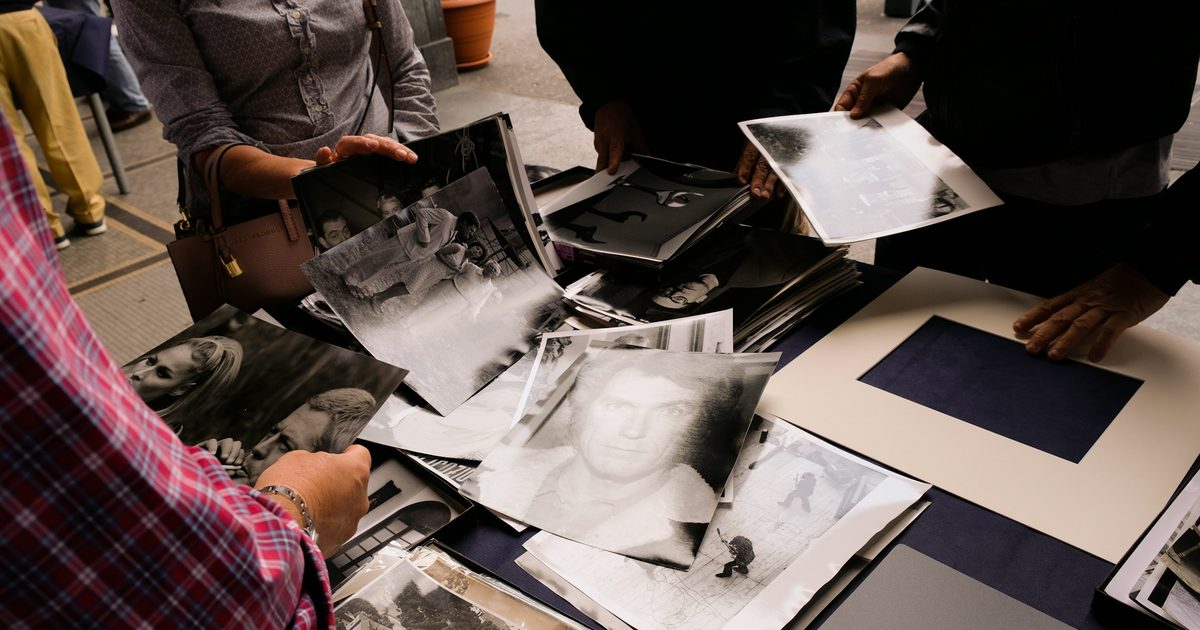
A working photographer spends roughly €600 a year on contest entry fees. The conservative read is that about a third of those fees went to contests that, on inspection, never matched the photograph being submitted. That’s €200 of bad placement per year per serious-amateur entrant — the cost of clicking submit on the wrong brief.
There’s a quieter category that doesn’t require any of that math: the contests with no entry fee. They exist. Some are the most prestigious in the discipline. Most photographers know two or three of them; the catalogue is wider than that.
What follows is the eight free-entry photography contests open in 2026 that are worth your time, ranked by what their juries actually reward. The ranking isn’t by prize money. It’s by how specifically each jury knows what it wants — which is the single best predictor of whether you can build a winning entry by understanding the brief.
1. World Press Photo 2026 — the standard
- Fee: Free
- Deadline: Submissions for the 2027 cycle open in December 2026; the next free window is now.
- Eligibility: Professional photojournalists and documentary photographers; the contest defines “professional” broadly — if you’ve published documentary work in any venue, you qualify.
- What this jury rewards: Decisive timing in a frame that works caption-independent. WPP’s jury reads every entry with the caption hidden first. A photograph that requires text to communicate the story is structurally weaker at WPP than at every other major contest.
If your photograph is decisive — the kind made at the exact moment the story would not have held half a second later — WPP is where it belongs. Bring documentary specificity. Skip if your strongest frame is composed setup; the jury reads that as “assignment” and ranks it below intentional witness.
2. Wildlife Photographer of the Year 2026 — strictest jury, hardest discipline
- Fee: Free for all categories
- Deadline: Annual cycle opens October 2026; current cycle is closed but the next one’s free again.
- Eligibility: Open globally to professionals and amateurs; separate Young Wildlife Photographer category for under-17.
- What this jury rewards: Behaviorally observed wildlife with no baiting, no captive subjects, no AI generative fill. The WPY rules read more like field biology than aesthetic criticism: was the animal in its natural environment? Was the behavior natural?
The free-fee combined with the jury’s discipline produces an honesty filter: most of the global wildlife photography world enters, but only photographers who genuinely waited get shortlisted. If your frame is a baited tiger or a captive owl, WPY isn’t the contest. If you actually sat in the cold for nine hours, this is the only contest in the world where that patience reliably converts to recognition.
3. HIPA 2026 (Family edition) — biggest free prize pool
- Fee: Free
- Deadline: 31 May 2026 (closes in 18 days as of this writing)
- Eligibility: Open to all photographers globally
- What this jury rewards: Cultural specificity. The 2026 Family theme means the jury wants specifically chosen family on a specific day in a specific place — not generic family iconography. Past winners are all unrepeatable in another country with different people.
HIPA pays the largest free-entry prize in serious photography ($200K grand, ~$1M total pool). The free-entry signal cuts both ways: free means the jury sees ~30,000 entries; specificity is the filter they apply at volume.
If your photograph could be substituted with a stock-photo of “family,” this isn’t your contest. If it could only have been made there, then, between those people — submit.
4. National Geographic Traveller (UK) 2026
- Fee: Free
- Deadline: Annual, closes mid-summer; check the brief.
- Eligibility: Open globally to amateurs and emerging professionals.
- What this jury rewards: Travel photography in the non-tourist register. Postcards lose. Photographs made at vantage points the local population uses — markets, mosques, city corners — win.
A useful sub-genre to know: travel contests reward unusable-for-tourism-marketing more than aesthetically pretty frames. If your photograph could appear in a hotel brochure, it will not place at NGT. If it could only appear in a magazine feature about the actual people who live there, you’re in the right contest.
5. POYi (Pictures of the Year International) 2026
- Fee: Free for staff, freelance, and student categories
- Deadline: Annual cycle, opens December 2026 for 2026 work.
- Eligibility: Professional and student photojournalists
- What this jury rewards: Photographic story over single frames. POYi’s rubric is built around picture editors who pick frames for sequences daily — the contest rewards photographers who can carry a story across 6–12 photographs, not just one peak moment.
If your single best frame is your strongest argument, POYi might not be the contest — POYi rewards depth-of-coverage over peak-of-moment. If you spent two weeks with a subject, this is the contest where that effort converts.
6. Smithsonian Photo Contest 2026
- Fee: Free
- Deadline: Annual; cycle opens December 2026.
- Eligibility: Open globally; categories include Natural World, American Experience, Travel, People, Altered Images (note the AI policy: no AI-generated content is permitted in any category).
- What this jury rewards: Photographs that document something rare or unrepeatable — a vanishing tradition, a specific moment in a place that’s changing. The jury skews toward editorial picture editors; they read photographs the way magazine assignments are evaluated.
Smithsonian is a contest where the strongest frame in your archive — the one you’ve been hesitant to publish anywhere — often belongs. The jury is more accommodating of imperfection than WPY or WPP if the photograph carries authentic specificity.
7. EISA Maestro 2026
- Fee: Free
- Deadline: Annual; theme announces in late spring each year.
- Eligibility: Open to working photographers globally; photographs must be made after 2023 (3-year recency floor).
- What this jury rewards: Thematic clarity at the portfolio level. EISA Maestro is annual and theme-driven (recent themes: “Surrealism in Photography,” “Streets of Cities”). The jury rewards photographers who can deliver 5 frames that clearly answer the theme.
The recency floor matters. If your strongest frame is from 2022 or earlier, you don’t have an EISA Maestro entry. Schedule the next cycle’s theme around what you’re shooting now.
8. Inge Morath Award 2026 (Magnum Foundation)
- Fee: Free
- Deadline: Annual; cycle closes mid-year.
- Eligibility: Women photographers under 30.
- What this jury rewards: Long-term documentary projects in development — the Award funds the continuation of a project, not a single completed work. The jury reads proposals as much as photographs.
A specific contest with a specific eligibility filter. If you qualify and have a documentary project that needs another six months of work, this is the contest. If you don’t qualify, skip and don’t reapply across cycles in ways that suggest you do.
The 10-minute check before you enter any of these
For each contest you’re considering, the discipline is the same as for paid contests — the only difference being that no entry fee is at stake, so the cost of misfit is only your photograph’s time on someone else’s record.
- Read the past three cycles of winners. Pattern-match the register the jury rewards.
- Find the implicit qualifier inside the brief’s theme. WPY’s “wildlife” means behaviorally observed; HIPA’s “family” means culturally specific.
- Check the AI policy (we’ve classified all 22 major 2026 contests in the AI policy database). Five of the eight free-entry contests above are Position 1 — no generative AI permitted in any form.
- Confirm the photograph fits the eligibility (image dates, photographer status, geographic constraint).
- Read the brief’s “fairness clause” — does the jury weight theme-adherence over photographic excellence, or vice versa?
Where to spend the saved entry-fee budget
A photographer entering all eight of these free contests over a 2026 cycle spends €0 in fees. The same photographer entering five of the major paid contests would spend €150–€400. The delta — somewhere between €150 and €400 — buys real things:
- A printed monograph of your year’s strongest work
- A trip to the location of the next subject
- A workshop weekend with one of the photographers you most respect
- Two years of WinPhoto Studio (€11/mo × 24) — if you want a per-photograph sober read against each contest brief
The free-entry contests above don’t replace the paid contests. They’re the base layer. Submit your strongest frame to two of these every quarter, and let the saved budget compound into the work itself.
If you want a per-photograph read against any of these eight specifically — the free /analyze page at winphoto.io/analyze is built for exactly that purpose. Drop a photo, see which of the eight (if any) it actually fits, then decide whether to submit. No signup.
— The Critic