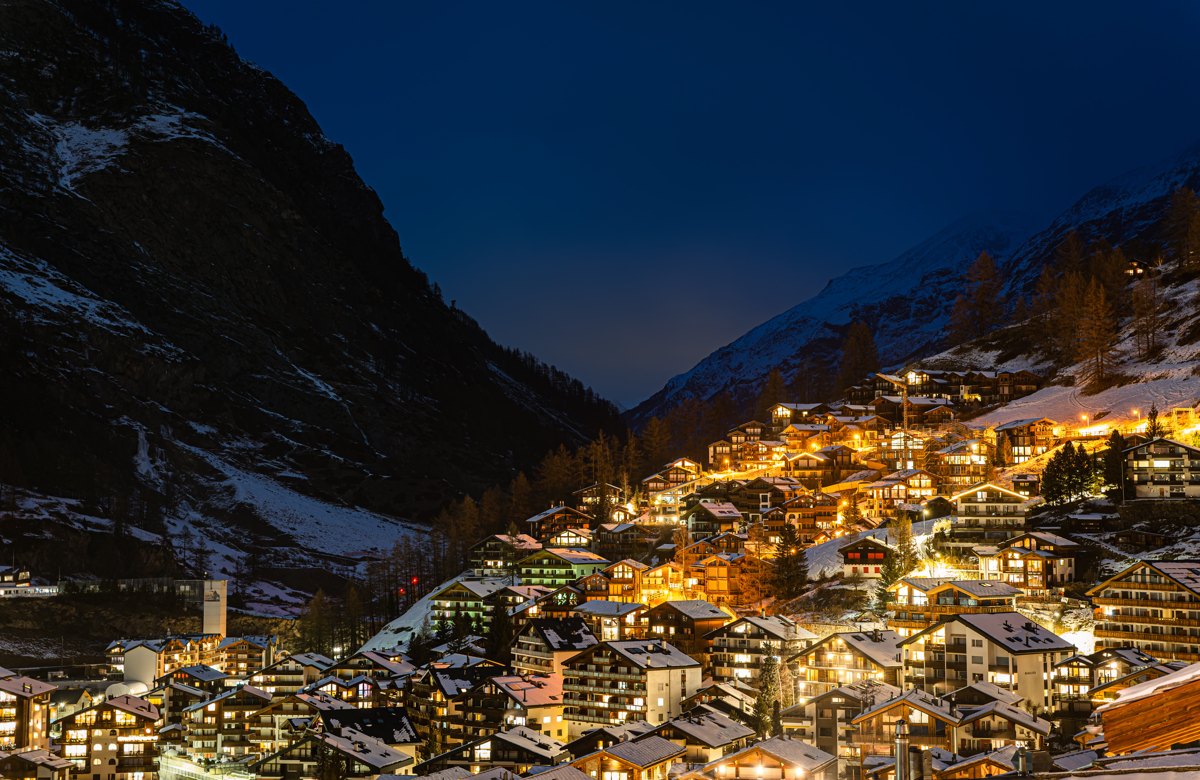
Photo contest deadlines: November and December 2026
Every verified photo contest deadline in November or December 2026, with its time and time zone where given, the standard fee and the AI rule.
№ 03 · The journal
Filed under 2026. All entries →
Every verified photo contest deadline in November or December 2026, with its time and time zone where given, the standard fee and the AI rule.
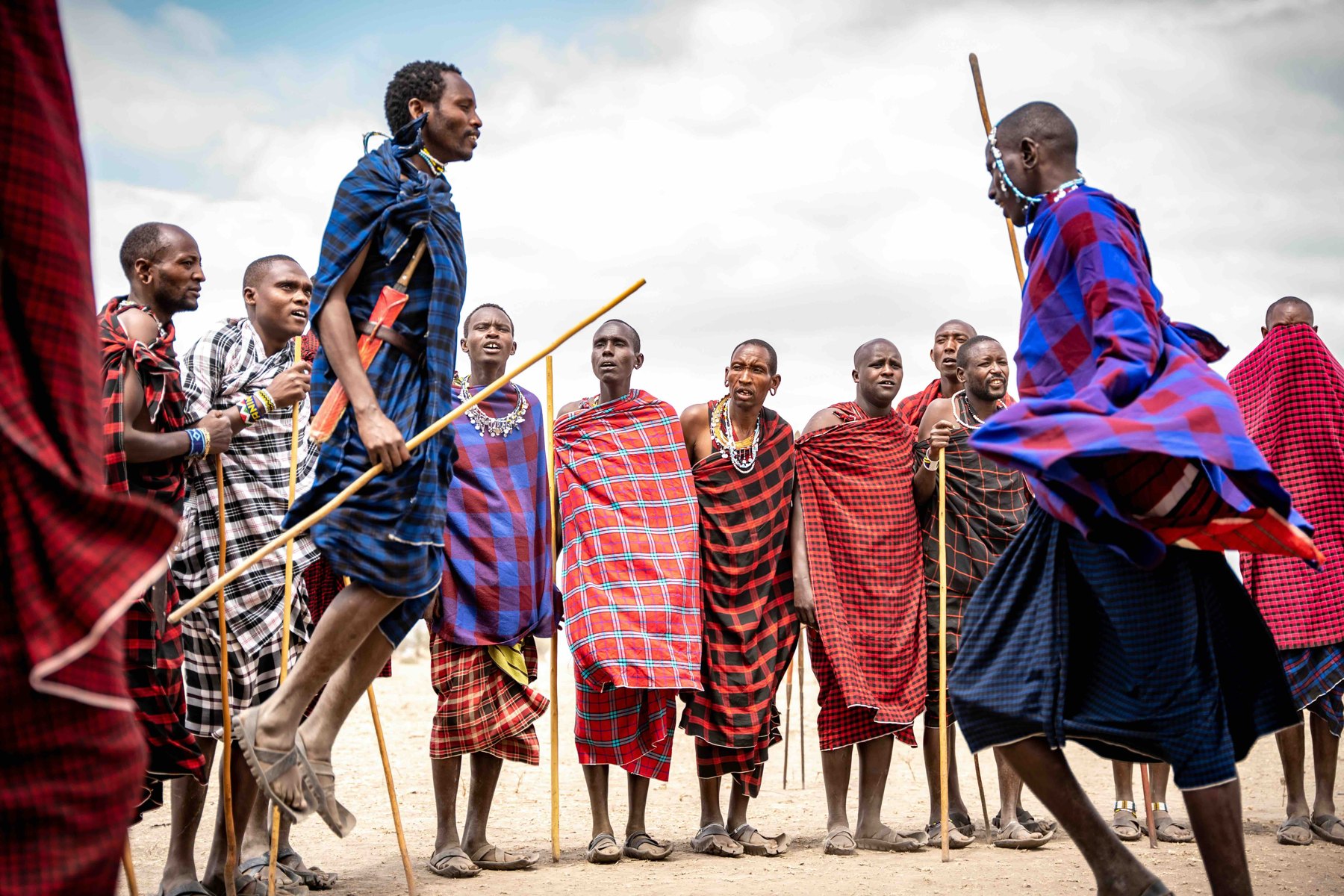
Whatever a stranger believes about the people in your photograph is decided not by the picture and not by them, but by the one sentence you type beneath it — and you, who were there, are the worst-placed person alive to judge which sentence they will actually read. On the quietest, most unchecked power in photography, and the hour it deserves.
Photographers are told a contest is a competition they enter and the organiser is a neutral judge of merit. Follow the money — from a one-man network of five fake-independent awards to the audited books of the field's most respected nonprofit, which took in €3.1 million one year and paid the winning photographers about €44,000 — and the same shape appears every time: value flows toward the institution, almost none flows back to the people who made the pictures. A money-and-power investigation into who collects the fees, who owns the contests collecting them, and why the entry fee is best understood not as a cost but as a business model, with the photographer as the customer.
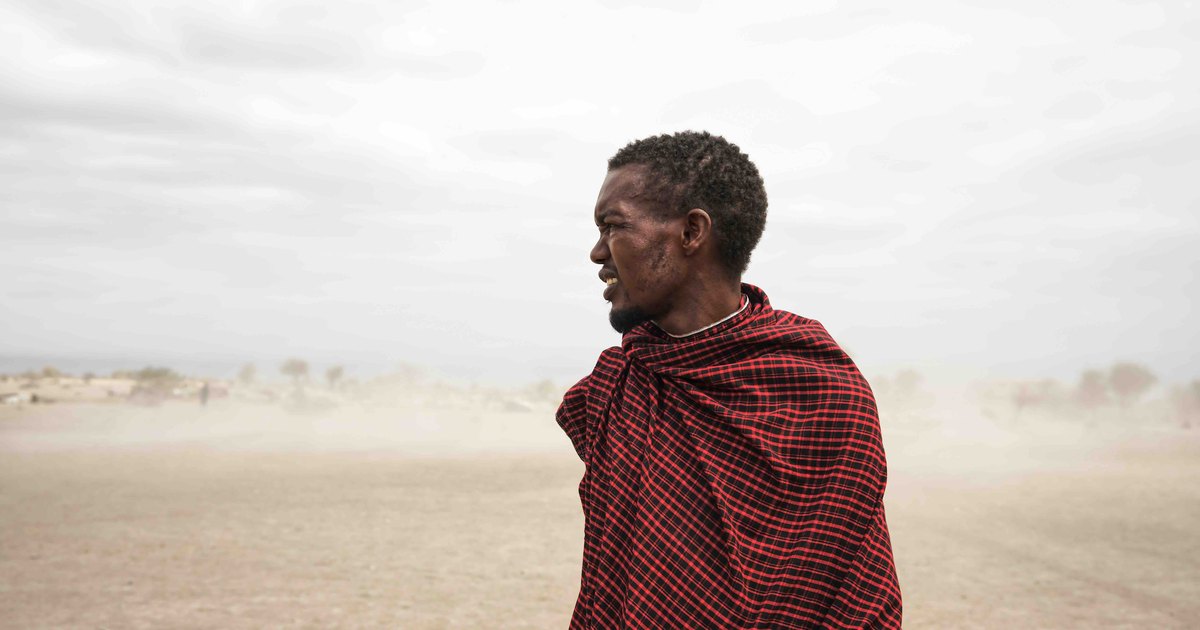
You can win a major photography competition and still be ordered, weeks later, to prove your photograph is what you say it is. Contests now reserve the right to demand your RAW file, and a growing number ban AI outright — so the same image can be a clean entry at one and a disqualification waiting to happen at the next. For a hundred and eighty years a photograph was believed by default. That contract has quietly reversed: your photograph is now presumed guilty until you prove it innocent, and it is the honest photographer who pays. What that costs you, what each contest is really asking when it asks for your file, and how to know — before you pay — exactly what you will be made to prove.
A major photo contest can draw more than 400,000 entries and judge them across regional panels in a few weeks. Do the arithmetic and your photograph gets seconds of human attention — if it survives long enough to be looked at at all. Most of what photographers experience as rejection is decided before that: not on quality, but on eligibility — file rules, the category you picked, the editing line you didn't read. Here is what actually happens to a photograph after you pay the fee, why 'my photo wasn't good enough' is usually the wrong story, and the one part of the outcome you can still control before you enter.
In 2026 the crowd started disqualifying photographs by acclaim — a Hasselblad Masters entry pulled, a prize-winning owl dethroned, both on suspicion of AI. But underneath the pile-ons is a stranger fact nobody is naming: the same photograph is welcomed at one competition and condemned at the next, and not because the judges disagree about taste. They disagree about what a photograph *is*. Across the major contests the editing line has hardened into four incompatible definitions of reality — the record, the witness, the authored image, the prompt — and the photographer is the one who pays for a question the medium hasn't answered. A Sunday essay on photography's quiet schism, and where it leaves you when you hit submit.
Cropping a distraction out of a contest photo is allowed. Cloning it out can get you disqualified — even when the result looks identical. That's the line most photographers never read until it costs them a prize. Here is exactly where fourteen major competitions draw it in 2026: what editing each one permits, what gets you removed (sometimes after you've already won), and how the strict contests inspect your RAW file to catch it. The same edited frame can be a winner at one contest and a disqualification at another.
A complete, current list of the major photography competitions open for entry as of June 2026 — eighteen of them, from contests closing this month to the big 2027 names that just opened. For each: the deadline, whether it's free or paid, and the one rule that disqualifies more entrants than any other — what it lets you do to the file. Updated as deadlines pass.
Eleven photo competitions close between now and the end of August, and five of them land in a single 30 June–1 July cluster. Here they are in deadline order — free or paid, and crucially, what each one will and won't allow you to do to the file. They span the whole AI spectrum, from absolute ban to AI-welcome, which is exactly where most entrants get disqualified without realising.
Most photographers read a contest's theme and its prize. Far fewer read the one paragraph that decides whether entering costs them the photograph itself. A practical guide to the rights clause — the language that quietly licenses your work, the five red flags that separate a real competition from a rights grab, and the check to run before you upload a single frame.
Comedy Wildlife is free, enormous, and the most authenticity-strict contest most photographers never think of as strict. The whole genre depends on the moment being real — caught, not constructed — which makes its rules tighter than the laughs suggest. A close read of what this jury rewards, where the biological-fidelity line sits, and the check to run before the 30 June deadline.
Critics' Choice closes 15 June, and it is the most misread of the major open awards — because its jury is not looking for the photograph that wins most contests. It is curatorial: magazine editors, gallery curators, festival directors, reading for a thesis, not a trophy shot. A close read of what that jury actually rewards, what its AI clause permits, and the two checks worth running before you pay the entry fee.
In three weeks this spring, three photography contests pulled images for AI — Tokina, an aurora-lit owl, and a Hasselblad Masters finalist. In the same three weeks, the detection layer that catches them went mainstream: Canon shipped authenticity at capture, OpenAI and Google shipped watermark verification. The scandal wave and the detection wave are the same story. A close read of what changed, and what every contest's AI clause now means for the photographer about to enter one.
Every HIPA cycle, photographs are removed before the jury sees them — not for weak concept, not for soft focus, but because a sky was replaced or a generative tool touched the frame. With the 2026 Family window in its final twenty-nine hours, the line between an allowed edit and a disqualifying one matters more than the photograph itself. A close reading of HIPA's authenticity clauses, with the operational list of what survives the rules and what does not.
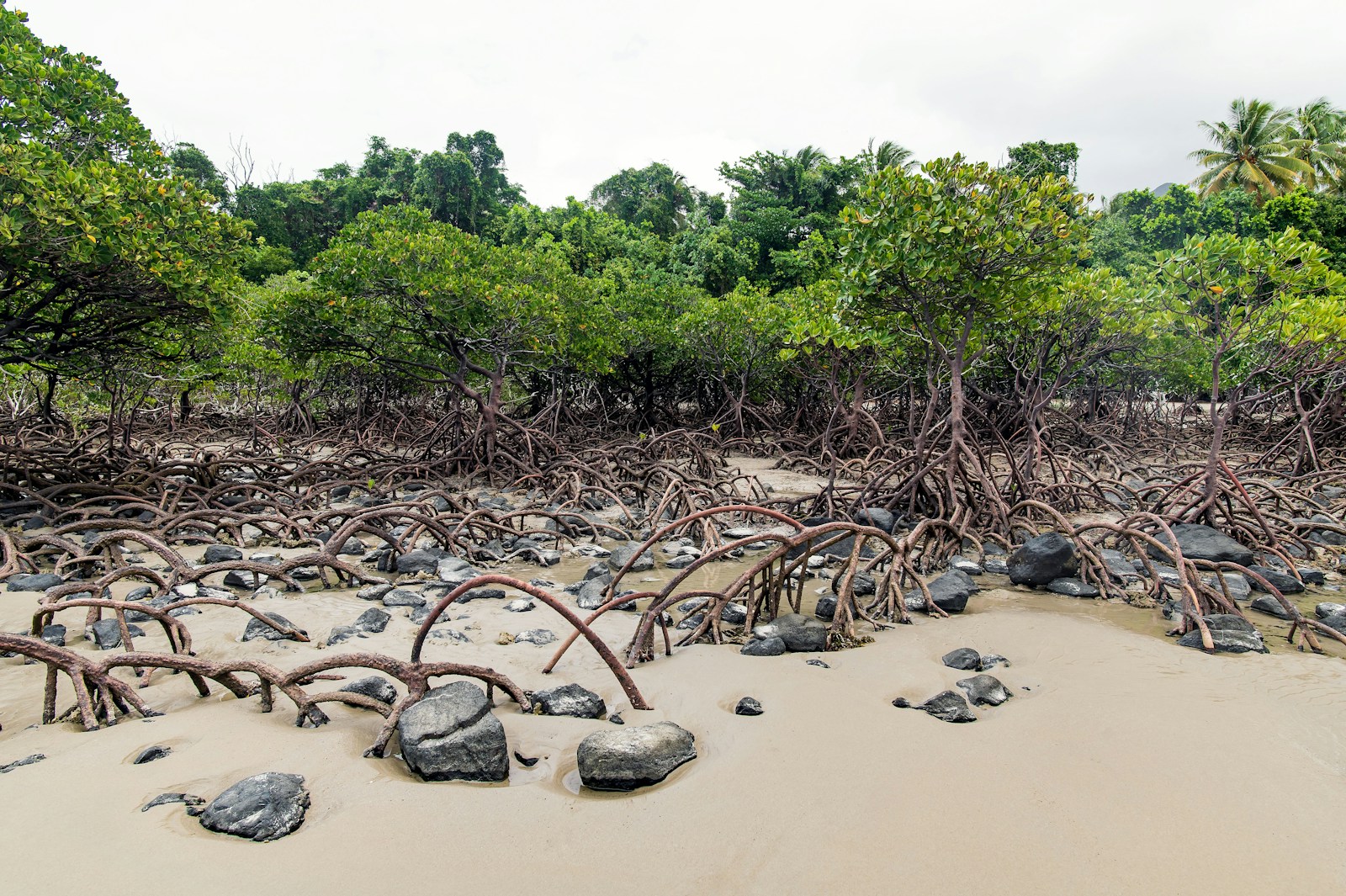
The Mangrove Action Project closes its 2026 entry window on 1 June — eight days. A free-entry conservation prize that rewards cultural-specificity over technical perfection, and skips submissions that read as tourist mangrove. A close read of the brief, the six categories, and the work the jury actually pulls forward.
The Hamdan International Photography Award has handed its $200,000 Grand Prize across five very different themes in the past five cycles. The photographs that won share three patterns and four craft moves — read carefully, they teach more than any tips list.
The Hamdan International Photography Award returns for its 15th season with a one-million-dollar prize pool, a forty-thousand-dollar first place in Family, and a jury that will not be named until November. A close editorial read of the contest worth your week of editing time.
Every photo contest brief in 2026 is 600 to 1,200 words of rules, theme, eligibility, and AI policy. Most photographers read it for the deadline and the prize and skim the rest. The skim is what costs the entry fee. Here are the seven specific signals juries actually weight when they read a frame against the brief — read for these before you click submit.
Four of the biggest photography contests in 2026. Four different juries. Four different bars. The rubrics make them sound similar; the past-five-cycle archives make them obviously different. A side-by-side read so you can match your photograph to the right contest before paying any entry fee.
Eight of the biggest photography competitions of 2026, with the real per-entry math — fees, prize pools, expected-value calculation, and the honest question most photographers don't run before they pay. A cost-side reading photographers can use against the marketing-side the contests publish themselves.
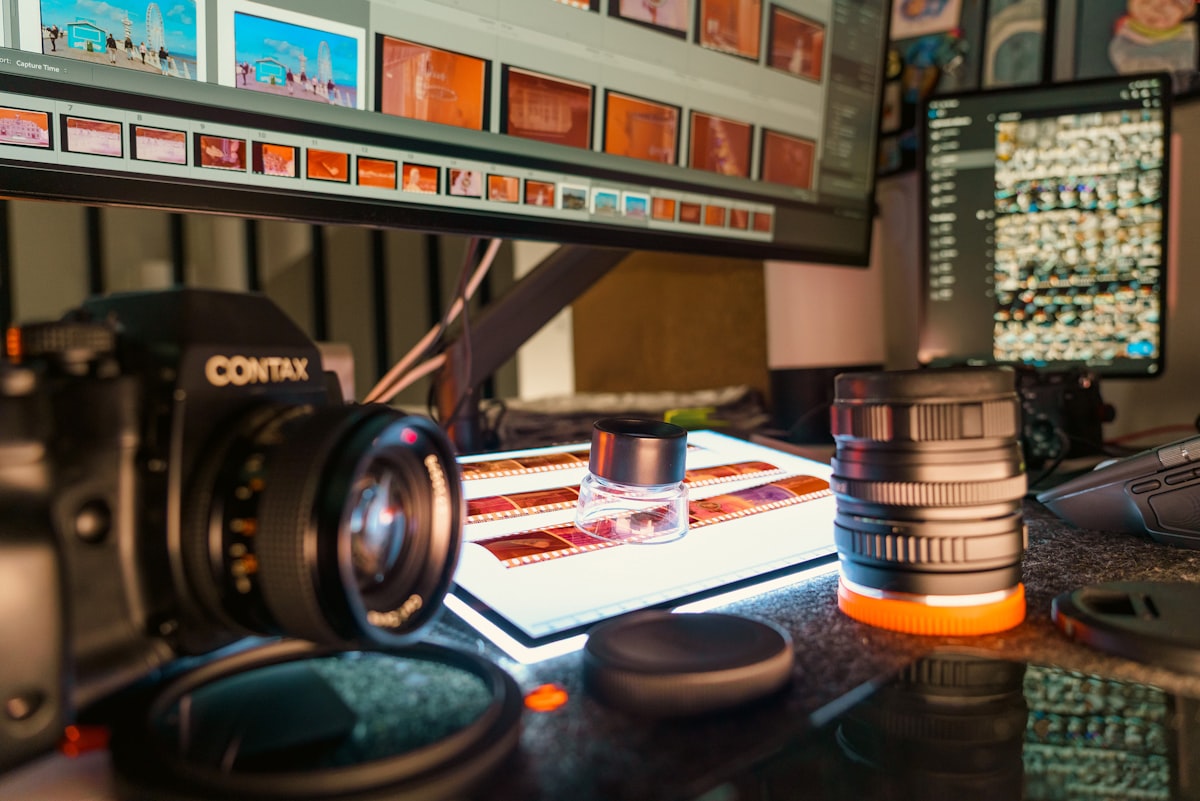
World Press Photo bans it entirely. IPA built a dedicated category for it. HIPA built two — one for capture-based work and one called Dreams Through AI. LensCulture allows assisted edits but not generation. Wildlife Photographer of the Year requires unmanipulated frames. A photographer entering contests in 2026 needs to read these policies category-by-category, not contest-by-contest. A practical field guide.
WPP publishes the most carefully-worded rubric in documentary photography. The jury enforces a different document. Three things the 2026 Photo of the Year jury has rewarded for ten cycles in a row that the open call doesn't quite say.
Eighteen days remain to enter HIPA Family 2026, the largest free-entry photography contest by prize pool. Most photographers will submit a 'family' photograph that looks like generic family. The past five HIPA winners did the opposite. Here's what your late-cycle submission has to do to survive the first-round cut — and which one of your archive frames most likely fits.
Eight photo contests with no entry fee in 2026, ranked by how specifically each jury knows what it wants. For the 2027 season, see the free contests open now.
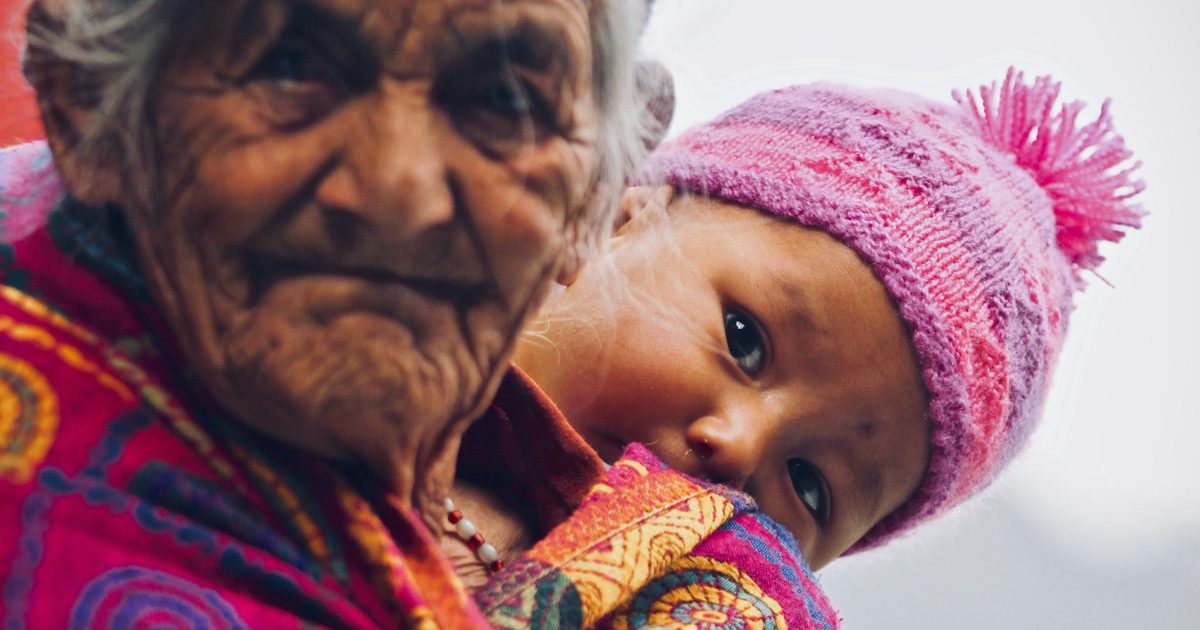
The 2026 HIPA theme is Family. The rubric will tell you documentary realism is welcome; the jury archive will tell you what documentary realism actually means in HIPA's house style. A read-along for the May 31 deadline.