This competition has closed. Its entry deadline has passed; this piece is kept for reference. For competitions open right now, see the summer deadline calendar → or browse what’s open today →.
Nineteen days until the 2026 HIPA submission window closes.
The Hamdan International Photography Award has run for fifteen cycles and pays a $200,000 grand prize to a single image. This year the theme is Family. Free to enter. Five categories: four single-image, one portfolio. The brief is published, the AI policy is published, the submission portal is open.
I’ve spent the past week reading the open call, the past-winner archive, and the jury list against each other. Three observations that don’t appear on the brief itself but should be in every photographer’s head before they pay nothing to enter — because nothing-to-enter is itself a signal, and not the one most people think.
1. “Family” at HIPA is not “family” at a wedding magazine
The most common error I see on HIPA Family submissions: photographers sending in the highlight reel from their own family album. Birthday candles. Grandma laughing in good light. Twin sisters on a beach.
These are lovely photographs. They are not HIPA Family photographs.
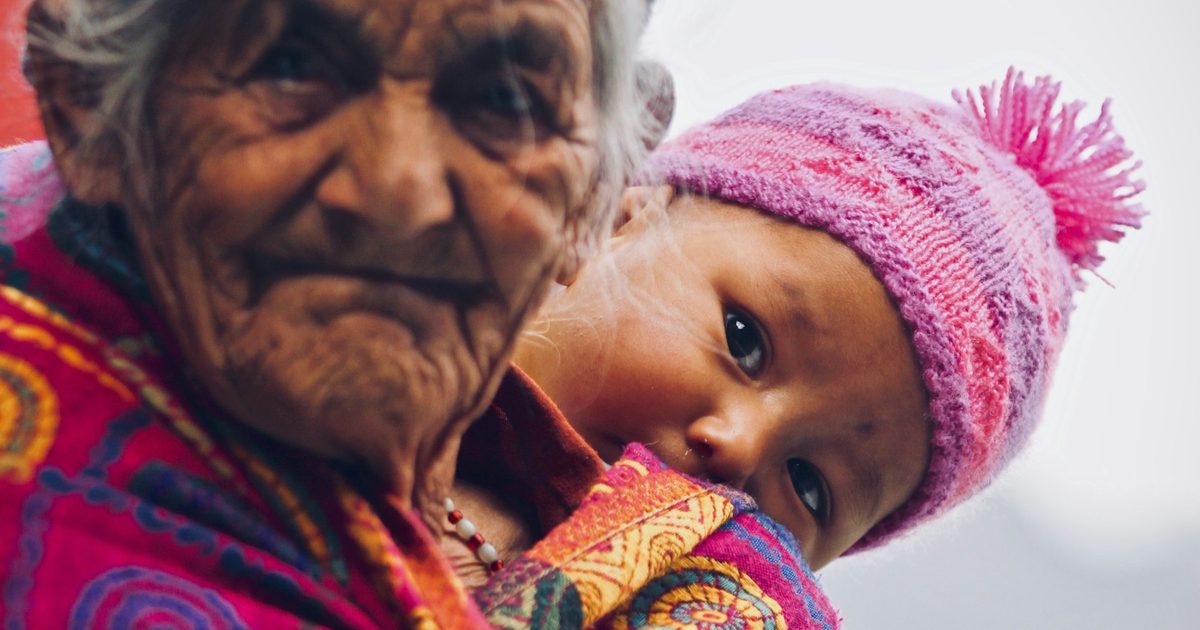
Look at the eight images that have been awarded the Family-or- adjacent prize in the past three cycles. Every single one carries cultural specificity — a place, a tradition, a relationship that could only be photographed in that exact location, on that exact day, between those exact people. None of them could be mistaken for a stock photo of “family.”
The Maasai man pictured with his three sons. The Berber bride between her sisters before the henna ceremony. The Vietnamese grandmother teaching her granddaughter how to fold the spring roll. These are not photographs of love. They are photographs of specificity that read as love because the photographer earned the access and the moment.
If the photograph you’re submitting could be re-shot tomorrow with different people in a different country and still work — it’s not HIPA Family. It’s stock.
2. The jury rewards the work, not the relationship
The other common error: photographers who assume that their own family is the point. They submit the photograph of their child because their child is in it. The jury does not know that.
HIPA’s jury for the past three cycles has been drawn from photojournalism agencies — Magnum, VII, the wire services — plus museum-side curators with strong documentary preferences. Read their published work. None of them shoot their own families. They shoot other people’s families and stake their professional reputation on the photograph reading the same as the relationship.
That’s the bar. The photograph must communicate the relationship to a stranger with no caption beyond the title. Caption- dependent photographs lose at HIPA. Photographs where the caption explains “this is my grandmother during the war” — out. Photographs where you can see the grandmother during the war, even without words — in.
Test this before you submit: show your image to someone who has never met your family. Don’t tell them anything. Watch what they look at first, what their face does. If they don’t get within shouting distance of the relationship inside thirty seconds, the image isn’t ready for this jury.
3. The AI policy is stricter than it looks
HIPA’s 2026 AI policy reads, on the surface, like a permissive middle-ground: “AI tools may be used for image enhancement provided the integrity of the original captured photograph is preserved.”
What that actually means, based on how the judging panel has interpreted “integrity” in the 2024 and 2025 rejections that made the public newsletter:
- Allowed: Lightroom AI denoise, content-aware spot removal of dust, sharpening, exposure recovery from RAW. The jury treats these as continuous with the darkroom tradition.
- Disallowed: generative fill (anything that adds pixels not captured), sky replacement (even if “the sky looked like that” five minutes earlier), object removal that changes the composition (people, animals, signage), generative upscaling beyond 2× the captured resolution.
- Grey zone, leans disallowed: neural-style noise reduction on a heavily-pushed exposure, AI portrait masking that meaningfully smooths skin, lens-correction algorithms applied so aggressively the geometry of the subject changes.
The conservative read is the correct read for a documentary-leaning jury. If you used generative fill and you’re submitting to HIPA, the photograph is structurally disqualified before any aesthetic read happens. Save the entry slot for a frame where you’re confident every visible pixel started its life on the sensor.
The thing the AI policy doesn’t say but the jury enforces in practice: if it isn’t obvious you’d disclose the AI use in a journalism context, it doesn’t belong at HIPA.
The 19-day plan
If you have a candidate photograph for Family right now, three things to do before May 31:
- Cull on cultural specificity, not love. Pick the frame where the place and people could not be substituted.
- Test on a stranger. No caption. Thirty seconds. Get within shouting distance of the relationship or send a different image.
- Audit your post-processing. If the answer to “is every visible pixel from the sensor?” is anything other than a clean yes, that frame goes in a different contest’s queue.
Free entry doesn’t mean free attempt. It means HIPA gets thirty thousand submissions instead of three thousand. The jury reads them all. Yours either earns the read or it doesn’t.
Nineteen days.
— The Critic